What Player Transaction Patterns Reveal About Reward Customization in Encrypted Mobile Gaming Systems
Written by Clara Neumann · Sep 20, 2026
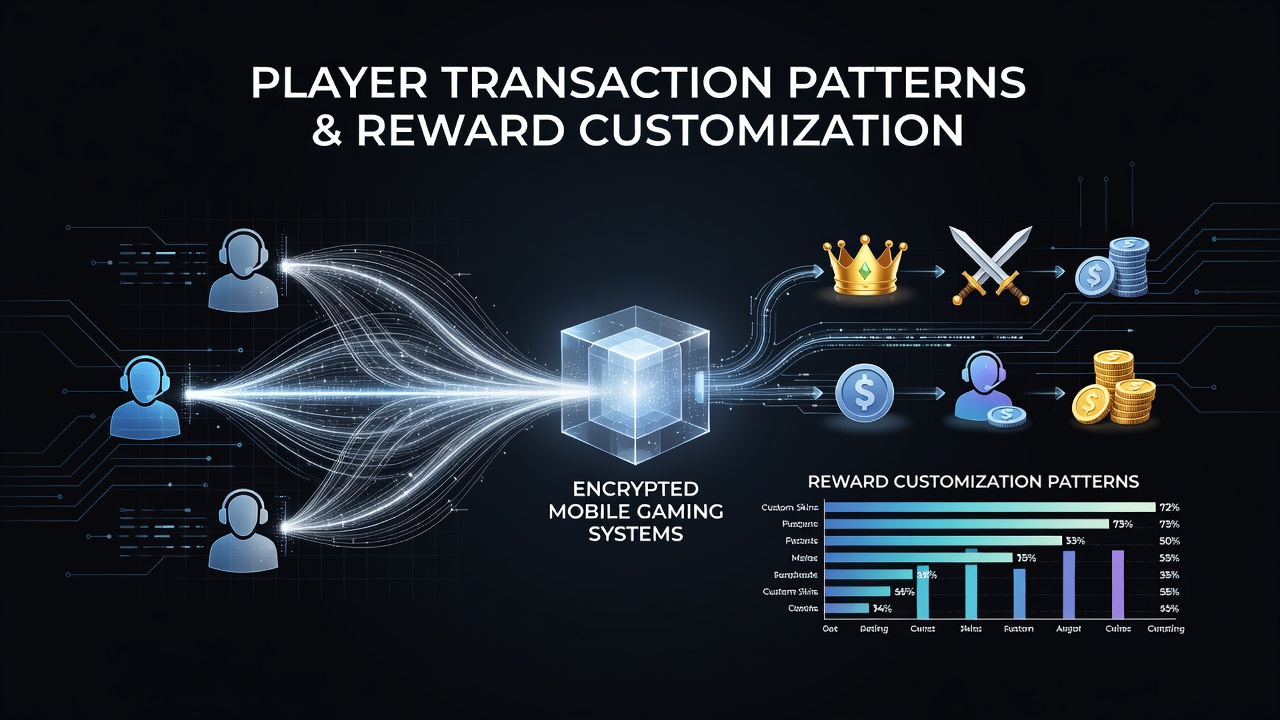
What Player Transaction Patterns Reveal About Reward Customization in Encrypted Mobile Gaming Systems
Player transaction patterns in encrypted mobile gaming systems provide measurable indicators of how reward structures adapt across different user segments, and analysts track these flows through secure data channels that maintain privacy while revealing behavioral clusters. Studies from research institutions show that transaction frequency, amount ranges, and payment method selections correlate with customized loyalty tiers, bonus triggers, and feature unlocks in portable casino environments.
September 2026 reports from multiple gaming oversight bodies highlighted growth in encrypted wallet usage across mobile platforms, where patterns in deposit timing and withdrawal preferences aligned with tailored reward deliveries such as progressive multipliers or exclusive game access. Observers note that systems using end-to-end encryption allow operators to process these signals without exposing raw financial details, which supports more precise customization of offers based on historical activity rather than broad demographic assumptions.
Transaction Data as a Foundation for Customization
Encrypted mobile platforms record transaction sequences that include session length, bet sizing progression, and preferred funding sources, and these sequences feed into algorithms that adjust reward parameters in real time. Data indicates that users who complete multiple small encrypted transfers within a single day often receive accelerated point accumulation toward free spins or cashback tiers, whereas those executing larger, less frequent transfers encounter offers weighted toward VIP table invitations or tournament entries. Researchers at academic centers studying digital gaming economies have mapped these correlations through anonymized datasets, confirming that reward customization follows observable statistical pathways tied directly to payment rhythm and volume.
Payment method selection adds another layer, since some encrypted options carry lower processing fees that operators pass along as enhanced reward rates. Patterns emerge where players favoring certain privacy-focused wallets trigger specific unlock sequences unavailable to those using traditional card methods, and this differentiation appears in loyalty program documentation released by operators in regulated markets. Those who've examined aggregate figures from North American and European sources find consistent evidence that encryption protocols enable granular segmentation without increasing exposure risks for either party.
Patterns Across Geographic Markets
Regional variations appear in how transaction patterns translate into rewards, with North American mobile users showing stronger links between weekend deposit clusters and weekend-specific bonus multipliers. In contrast, Asia-Pacific datasets reveal tighter connections between recurring micro-transactions and daily login streak rewards. A report issued by the Australian Communications and Media Authority in late 2025 documented these divergences and noted their persistence into 2026, while the European Gaming and Betting Association published parallel findings on how encrypted flows influence feature availability across member states. Such differences demonstrate that customization engines calibrate to local transaction norms rather than applying uniform global rules.
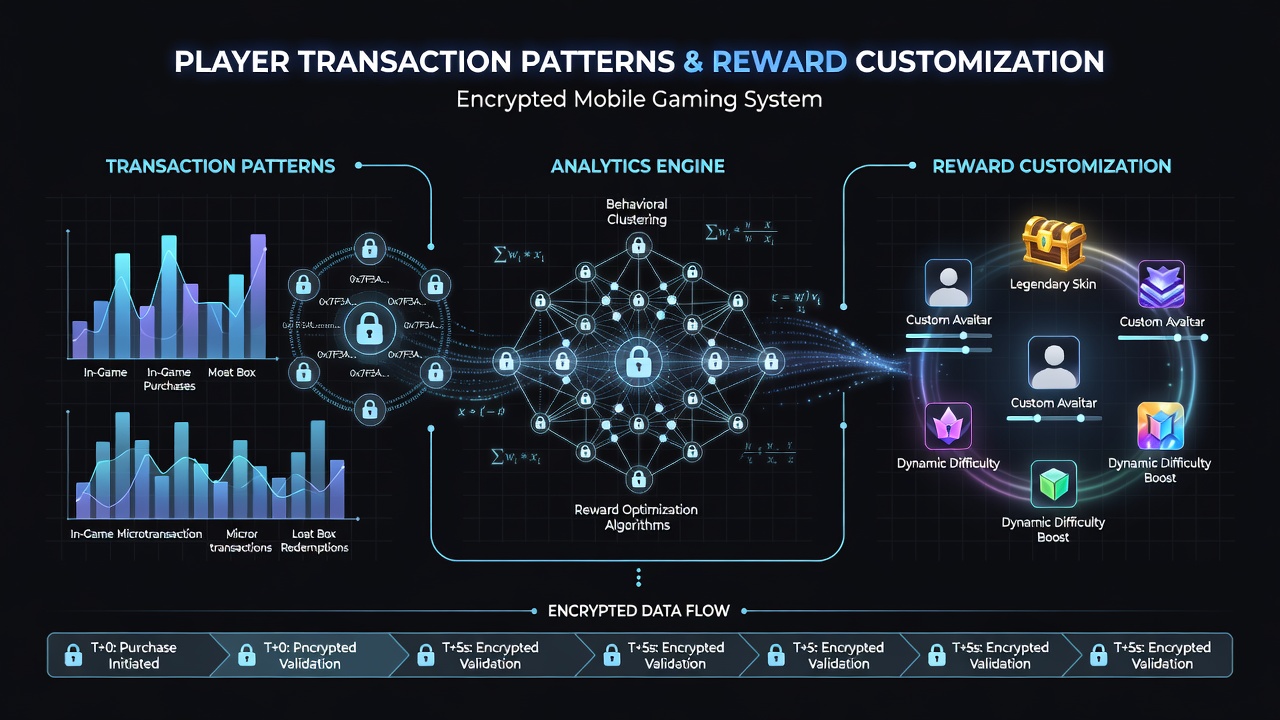
Encryption layers further allow operators to test reward variations on subsets of users defined by transaction signatures, and results from controlled rollouts feed back into broader personalization engines. This iterative process relies on secure data pipelines that log outcomes without compromising individual identities, which maintains compliance with data protection standards across jurisdictions.
Security Protocols and Reward Access
Security features embedded in these systems affect reward delivery speed and eligibility, since encrypted verification steps can delay or accelerate access depending on transaction history. Players whose patterns include consistent verification success rates encounter fewer friction points when claiming customized bonuses, while irregular patterns may route through additional authentication layers before rewards activate. Industry reports confirm that these security-gated pathways contribute to higher retention among users whose transaction consistency aligns with the system's reward logic.
Case examples from operators in regulated Canadian provinces illustrate how transaction pattern analysis led to segmented reward menus, where high-frequency encrypted gamers gained early access to new slot titles and low-frequency users received deposit-match incentives calibrated to their typical spend levels. These adjustments occurred after analysis of aggregated September 2026 data streams, which showed measurable lifts in engagement metrics once customization matched observed payment behaviors more closely.
Conclusion
Transaction patterns within encrypted mobile gaming environments continue to shape reward customization through data-driven correlations that link payment behaviors to offer types, timing, and access conditions. Evidence from regulatory publications and academic analyses demonstrates that encryption supports this level of personalization while preserving security standards, and ongoing monitoring of these patterns provides operators with measurable signals for refining loyalty frameworks across different markets and user groups.